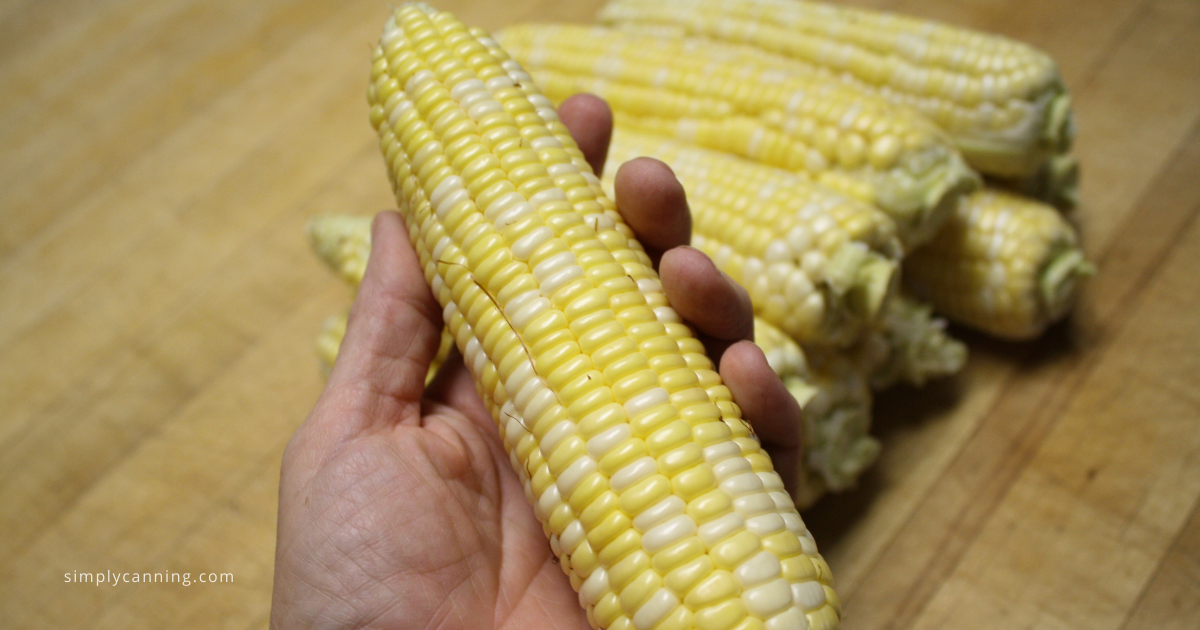
Mastering the Art of Freezing Corn: On or Off the Cob, Blanched or Raw
There's nothing quite like the unparalleled sweetness of freshly harvested corn, a true emblem of summer's bounty. But as the season wanes, the craving for those juicy, golden kernels doesn't. The good news? You can easily extend summer's embrace by learning how to freeze corn, ensuring you have access to its vibrant flavor and satisfying crunch all year long. Whether you prefer it still clinging to the cob or as convenient, ready-to-use kernels, and whether you opt for the traditional blanched method or a quicker raw approach, preserving corn is a rewarding kitchen skill.
From garden overflows to farmers' market hauls, freezing corn is a simple yet incredibly effective way to capture its peak freshness. This comprehensive guide will walk you through every step, offering insights into each method so you can choose the best approach for your time, energy, and storage preferences. Let's dive in and learn how to lock in that irresistible summer sweetness!
Gathering Your Essential Supplies
Before you begin your corn-freezing adventure, ensure you have the right tools at hand. The specific items you'll need might vary slightly depending on whether you're freezing corn on the cob or off, but most are standard kitchen staples.
For Corn On the Cob:
- Fresh Ears of Sweet Corn: The star of the show! Choose ears with bright green husks and plump, blemish-free kernels.
- Large Stockpot: Essential for blanching (boiling) the corn.
- Large Bowl or Clean Sink: To create an ice bath for rapid cooling.
- Tongs: For safely handling hot corn.
- Clean Kitchen Towels: For thoroughly drying the corn.
- Plastic Wrap (Saran Wrap): To individually wrap raw cobs.
- Freezer-Safe Bags or Containers: For final storage.
- Vacuum Sealer and Vacuum Seal Bags (Highly Recommended): Offers superior protection against freezer burn and extends storage life significantly.
For Corn Off the Cob (Kernels):
- Fresh Ears of Sweet Corn: Again, prioritize quality and freshness.
- Sharp Chef's Knife or Electric Bread Knife: For safely and efficiently removing kernels. A corn cutter tool is another excellent option.
- Large Bowl: To catch the kernels as they're cut.
- Cutting Board or Bundt Pan: A bundt pan can be particularly helpful for holding the cob steady and catching kernels.
- Freezer-Safe Bags or Containers: For storing the kernels.
- Vacuum Sealer and Vacuum Seal Bags (Highly Recommended): Best for preserving texture and flavor.
- Ladle or Measuring Cup: For portioning kernels into bags.
- Baking Sheet Lined with Parchment Paper: Useful for "flash freezing" kernels (optional, but recommended).
While regular freezer bags work, investing in a vacuum sealer is a game-changer for long-term storage, providing a tighter seal that prevents moisture loss and freezer burn, keeping your corn tasting fresh for longer.
How to Freeze Corn on the Cob: Blanched vs. Raw Methods
When it comes to preserving whole ears, you have two primary choices: the traditional blanched method or a quicker raw approach. Both have their merits, depending on how long you intend to store the corn and how much time you have. For a deeper dive into the science behind blanching and its benefits, check out our article on Blanching for Success: Freeze Sweet Corn to Savor All Year.
The Blanched Method (Recommended for Optimal Quality and Longer Storage)
Blanching is a brief heat treatment that stops enzyme action, which can otherwise lead to loss of flavor, color, and texture during freezing. It's the preferred method for preserving corn for several months, yielding exceptional results.
- Husk and Wash the Corn: Begin by removing all the husks and as much silk as possible. Rinse the ears thoroughly under cold running water. This not only cleans them but also helps dislodge any remaining pesky silk strands. As you work, inspect each cob; set aside any with significant blemishes to be cut off the cob later, as only the best-looking ears should be frozen whole.
- Prepare a Rolling Boil: Fill your largest stockpot with water and bring it to a vigorous, rolling boil. Ensure there's enough water to completely submerge the corn.
- Boil the Corn for 1 ½ Minutes: Carefully lower a few ears into the boiling water using tongs. Avoid overcrowding the pot, as this will drop the water temperature too much. Boil for precisely 1 ½ minutes. This short duration is just enough to halt enzyme activity without cooking the corn through, preserving its crisp-tender texture.
- Cool Rapidly in an Ice Bath: Immediately transfer the blanched corn to a large bowl or clean sink filled with ice-cold water (the colder, the better, with plenty of ice). This crucial step stops the cooking process instantly. Allow the corn to cool completely, usually for about the same amount of time it was blanched.
- Thoroughly Dry the Corn: Once cooled, place the ears on clean kitchen towels. Pat them dry and let them air dry until they are cool to the touch and completely free of moisture. Any residual water can lead to ice crystals and freezer burn.
- Package and Freeze: Individually wrap each dry cob tightly in plastic wrap or, even better, place them in vacuum sealer bags and remove all air. Label the bags with the date. Arrange the wrapped cobs in a single layer in your freezer until solid, then they can be stacked. Blanched corn on the cob can be stored for 8-12 months.
The Raw Method (For Shorter-Term Storage and Convenience)
If you're short on time or plan to enjoy your frozen corn within a few months, freezing raw corn on the cob is a viable option. Just be aware that its quality may not hold up as long as blanched corn.
- Husk and Wash the Corn: As with the blanched method, remove husks and silk, then rinse the ears under cold water.
- Thoroughly Dry the Corn: This step is critical for raw freezing. Pat the cobs completely dry with kitchen towels.
- Wrap and Freeze: Tightly wrap each individual cob in plastic wrap, then place them into freezer-safe bags or vacuum seal them. Label with the date. Freeze immediately. Raw frozen corn on the cob is best consumed within 2-3 months for optimal taste and texture. Expect a slightly softer texture upon thawing compared to blanched corn.
How to Freeze Corn Off the Cob: Ready-to-Use Kernels
Freezing corn kernels is incredibly convenient, allowing you to easily add a touch of summer to soups, stews, salsas, and side dishes without the fuss of shucking a whole cob. This method also saves significant freezer space.
Preparing Blanched Kernels
This method builds on the blanching process for whole cobs, but you remove the kernels after cooling.
- Blanch, Cool, and Dry the Cobs: Follow steps 1-5 from the "Blanched Method" for corn on the cob. Ensure the cobs are completely cool and dry before proceeding.
- Remove the Kernels: Hold a blanched, dried cob upright on a cutting board or, for extra stability and kernel collection, place the narrow end into the hole of a bundt pan. Using a sharp knife, carefully slice downwards, stripping the kernels off the cob. Aim for about two-thirds of the kernel depth to avoid getting tough cob bits. You can also use an electric knife or a specialized corn stripper tool for ease.
- Optional: Flash Freeze Kernels: For loose, individual kernels that don't clump together, spread them in a single layer on a parchment-lined baking sheet. Place the baking sheet in the freezer for 1-2 hours until the kernels are solid. This "flash freezing" prevents them from sticking together when bagged.
- Portion and Package: Transfer the blanched (and optionally flash-frozen) kernels into freezer-safe bags or containers. If using bags, press out as much air as possible before sealing, or use a vacuum sealer for the best results. Portion them into amounts you'd typically use for a meal (e.g., 1-2 cups). Label with the date. Blanched kernels can be stored for 8-12 months.
Freezing Raw Kernels
This is the fastest method, perfect for when you have an abundance of corn and minimal time. Like raw cobs, these are best used within a few months.
- Husk and Wash the Corn: Prepare the cobs as usual, removing husks and silk, then rinsing them.
- Dry the Cobs: Pat the cobs completely dry with kitchen towels. Moisture is the enemy of freezer quality.
- Remove the Kernels: Using a sharp knife or corn stripper, carefully cut the raw kernels from the cob into a large bowl.
- Optional: Flash Freeze Kernels: Spread the raw kernels in a single layer on a parchment-lined baking sheet and freeze for 1-2 hours until solid. This prevents clumping.
- Package and Freeze: Transfer the raw (and optionally flash-frozen) kernels into freezer-safe bags or containers, removing as much air as possible (or vacuum seal). Label and date them. Raw frozen kernels are best used within 2-3 months.
Maximizing Freezer Life and Flavor: Expert Tips
Achieving perfectly preserved corn involves more than just following the steps; a few expert tips can make all the difference in flavor, texture, and longevity.
- Start with the Best: The quality of your frozen corn directly correlates with the freshness and sweetness of the corn you start with. Freeze corn as soon as possible after harvesting or purchasing for optimal results.
- Don't Skimp on Drying: Whether freezing on or off the cob, ensuring the corn is completely dry before packaging is paramount. Excess moisture leads to ice crystals and freezer burn, which degrades quality.
- Portion Smartly: Consider how you'll use the corn. Freezing kernels in 1-2 cup portions is usually ideal for recipes, preventing the need to thaw a large quantity you won't use.
- The Power of Vacuum Sealing: We cannot emphasize this enough. A vacuum sealer removes virtually all air from the packaging, which is the primary culprit behind freezer burn. This significantly extends the shelf life and maintains the corn's fresh taste and texture for longer than standard freezer bags. If you don't have one, try to remove as much air as possible from zip-top bags using a straw or by submerging the bag (with a small opening) in water to press the air out before sealing.
- Label Everything Clearly: Always label your frozen corn with the date and method (blanched or raw). This helps you rotate your stock and ensures you consume the corn within its optimal storage window.
- Fast Freezing: Get your corn into the freezer as quickly as possible once packaged. A rapid freeze helps preserve the cellular structure, leading to better texture when thawed. If your freezer has a "fast freeze" setting, use it.
- Thawing and Usage: Most frozen corn can be used directly from the freezer in cooked dishes without thawing. If you need it thawed for a salad, simply rinse under cold water. Remember that raw frozen corn will have a slightly softer texture compared to blanched. For more versatile ways to preserve your summer harvest, our guide Summer to Freezer: Simple Ways to Preserve Corn on & Off Cob offers even more insights.
Freezing corn is a simple, effective, and delicious way to enjoy the taste of summer throughout the year. By following these methods and tips, you can confidently preserve this golden vegetable, ensuring your pantry is always stocked with wholesome, flavorful ingredients for any culinary adventure.
