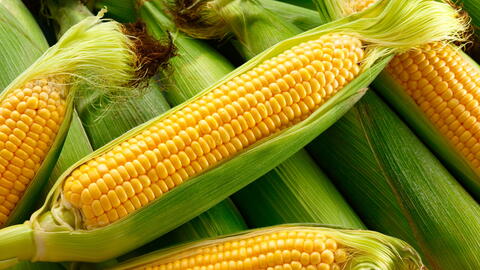
As summer's golden bounty overflows, there's a particular joy that comes with sinking your teeth into a freshly picked ear of sweet corn. Its crisp texture and juicy, sugary kernels are a seasonal delight that many wish could last all year long. The good news? It absolutely can! Learning how to freeze corn the right way allows you to capture that peak-season flavor and enjoy it in the depths of winter.
While there are various methods for preserving corn, blanching stands out as the superior technique for ensuring your frozen harvest maintains its vibrant color, satisfying texture, and irresistible sweetness. This comprehensive guide will walk you through the essential steps, from blanching to packing, ensuring your freezer is stocked with summer's finest.
The Secret to Year-Round Sweetness: Why Blanching is Key
You might be wondering if you really need to blanch your corn before freezing. While it's technically possible to freeze corn raw, blanching is the critical step that elevates your frozen corn from "okay" to "excellent."
Blanching involves briefly boiling the corn followed by an immediate plunge into an ice bath. This quick process achieves several vital things:
- Halts Enzyme Action: Naturally occurring enzymes in corn continue to break down sugars and nutrients even in the freezer. Blanching deactivates these enzymes, preventing them from altering the corn's flavor, color, and texture over time. Without blanching, raw frozen corn can become starchy, dull in color, and lose its characteristic sweetness within a few months.
- Preserves Color and Flavor: By stopping enzyme activity, blanching locks in the corn's bright yellow hue and its delicious, sweet taste.
- Maintains Texture: It helps the kernels retain their satisfying crisp-tender bite, preventing them from becoming mushy or excessively chewy after thawing.
- Cleanses and Softens Slightly: The brief boil also helps clean the corn and slightly softens the kernels, making them easier to cut off the cob if you choose to freeze them as kernels.
- Minimizes Nutrient Loss: By stabilizing the corn's cellular structure, blanching helps reduce nutrient degradation during freezing and storage.
For long-term storage and the best possible quality, blanching is non-negotiable. It's the method we rely on most often for consistently great results, ensuring that every kernel tastes as fresh as the day it was picked. While raw freezing is an option for very short-term storage (a few months at most), blanched corn can maintain its peak quality for up to 8-12 months.
Gather Your Tools: Essential Supplies for Freezing Corn
The beauty of freezing corn is that it doesn't require a lot of specialized equipment. Most of what you need is likely already in your kitchen. Your specific supplies will depend on whether you plan to freeze your corn on the cob or as individual kernels.
For Freezing Corn on the Cob:
- Fresh Ears of Sweet Corn: The fresher, the better! Harvested corn loses sweetness rapidly.
- A Large Pot: Big enough to comfortably submerge several ears of corn for boiling.
- Ice or a Large Sink: For creating an immediate ice bath to stop the cooking process.
- Tongs: For safely handling hot corn.
- Clean Kitchen Towels: For thoroughly drying the blanched corn.
- Plastic Wrap (Saran Wrap): To individually wrap each cob.
- Freezer-Safe Bags or Containers: To hold the wrapped cobs.
- Vacuum Sealer and Bags (Highly Recommended): For superior air removal and prevention of freezer burn.
For Freezing Corn Off the Cob (Kernels):
- All supplies listed for blanching on the cob, PLUS:
- A Sharp Knife, Electric Bread Knife, or Corn Cutter: For efficiently removing kernels.
- Large Bowl: To catch the kernels as you cut them.
- Cutting Board or Bundt Pan: A bundt pan can be particularly helpful as its center hole holds the cob steady while kernels fall into the surrounding trough.
- Freezer-Safe Bags or Containers: For portioning and storing kernels.
- Ladle or Measuring Cup: For easy portioning of kernels into bags.
When it comes to packaging, while regular freezer bags work, a vacuum sealer is a game-changer. It removes almost all air, significantly reducing the risk of freezer burn and extending the quality of your frozen corn. If you don't have one, just be diligent about pressing out as much air as possible from your freezer bags.
Step-by-Step Guide: How to Freeze Corn on the Cob (Blanched Method)
This is our preferred method for freezing corn on the cob, yielding excellent results that last for months.
1. Select and Prepare Your Corn
Start with the freshest sweet corn you can find. Ideally, corn should be frozen within hours of picking. Begin by removing the husks and as much of the silk as possible. Rinse the ears thoroughly under cold running water to remove any remaining silk and clean them. As you go, inspect each cob. Set aside any ears with bad spots or blemishes; these are better candidates for cutting off the cob later, where you can easily trim away imperfections. Only the best-looking, blemish-free ears should be frozen whole.
2. Bring a Pot of Water to a Rolling Boil
Fill your largest pot with water and bring it to a vigorous, rolling boil. Ensure there's enough water to completely submerge the corn you'll be blanching in each batch.
3. Boil the Corn for 1 ½ Minutes
Once the water is boiling, carefully add the husked and cleaned ears of corn using tongs. Do not overcrowd the pot; work in batches if necessary to ensure the water maintains its boil and the corn cooks evenly. Boil the corn for precisely 1 ½ minutes. This specific blanching time is crucial—it's just enough to halt enzyme activity without cooking the corn so much that it loses its snap and becomes overly soft.
4. Rapid Cooling in an Ice Bath
Immediately after the 1 ½ minutes are up, transfer the hot blanched corn from the boiling water directly into a large sink or basin filled with ice-cold water (an ice bath). This rapid cooling is critical to immediately stop the cooking process. Let the corn cool completely in the ice bath, which usually takes about the same amount of time it took to blanch it, or until the cobs are cool to the touch. This step prevents the corn from continuing to cook from its residual heat, which would compromise its texture.
5. Thoroughly Dry the Corn
Once cooled, remove the corn from the ice bath and place it on clean kitchen towels to dry. It's essential that the corn is as dry as possible before freezing. Excess moisture can lead to ice crystals forming and contribute to freezer burn. Pat each cob thoroughly with a towel until it feels completely dry.
6. Packaging for Long-Term Preservation
Once dry, individually wrap each cob tightly in plastic wrap (Saran Wrap). This extra layer of protection helps prevent freezer burn. Then, place the wrapped cobs into freezer-safe bags or containers. If you have a vacuum sealer, this is the time to use it! Vacuum sealing removes virtually all air, offering the best defense against freezer burn and significantly extending storage life. If using regular freezer bags, press out as much air as possible before sealing. Label and date each package.
From Cob to Kernel: Freezing Corn Off the Cob
If you prefer the versatility of frozen corn kernels for recipes like salsas, fritters, or simply a quick side dish, the process is largely similar, with an extra step for cutting. This method makes it easy to add a burst of summer flavor to your meals year-round.
1. Blanch, Cool, and Dry the Corn
Follow steps 1-5 from the "How to Freeze Corn on the Cob (Blanched Method)" section above. You want your cobs perfectly blanched, rapidly cooled, and thoroughly dried before you start cutting.
2. Safely Remove Kernels
Once the blanched cobs are cool and dry, it's time to remove the kernels. There are a few effective methods:
- With a Sharp Knife: Stand the cob upright on the flat end on a cutting board. Using a sharp knife, carefully slice downwards, removing strips of kernels. Be mindful of your fingers and try not to cut too deeply into the cob, as this can introduce starchy bits.
- Using a Bundt Pan: Place the narrower end of the cob into the center hole of a bundt pan. As you slice downwards, the kernels will fall neatly into the pan's trough, minimizing mess.
- With a Corn Cutter: Specialty corn cutting tools are available that can make this process even quicker and safer.
Collect all the beautiful, blanched kernels in a large bowl.
3. Portioning and Packing
Once you have your bowl of kernels, it's time to portion them for freezing. Use a ladle or measuring cup to scoop desired amounts (e.g., 1 cup, 2 cups) into freezer-safe bags or containers. This makes it easy to grab just the right amount for your recipes later. If using bags, lay them flat and gently press out as much air as possible before sealing. For containers, leave a little headspace at the top, as liquids (even in kernels) expand slightly when frozen. Again, vacuum sealing is the gold standard here for preventing freezer burn. Label each package with the date and quantity.
Maximizing Your Freeze: Tips for Optimal Storage and Quality
Beyond the blanching process itself, a few extra tips can help ensure your frozen sweet corn tastes absolutely fantastic every time you reach for it:
- Choose Peak Freshness: The quality of your frozen corn will never be better than the quality of the fresh corn you start with. Select ears that feel firm, have bright green husks, and plump, juicy kernels.
- Work Quickly: Sweet corn begins converting its sugars to starch soon after harvest. Aim to get your corn from the field (or grocery store) to the freezer as quickly as possible.
- Ensure Complete Drying: We can't stress this enough! Any residual moisture will turn into ice crystals, leading to freezer burn and a degradation of quality.
- Remove All Air: Air is the enemy of frozen food. Whether you're vacuum sealing or manually pressing air out of freezer bags, do your best to eliminate as much as possible.
- Label and Date: Always label your packages with the contents and the date frozen. This helps you rotate your stock and ensures you consume the corn within its optimal quality window.
- Understand Storage Durations: Blanched corn (on or off the cob) will maintain its best quality for 8-12 months in a standard freezer, or even longer if vacuum-sealed. Unblanched, raw frozen corn should be consumed within 2-3 months.
- Explore Other Preservation Methods: While freezing is fantastic, there are other simple ways to preserve corn on & off cob, such as canning or dehydrating, each offering unique benefits for different culinary uses.
Mastering how to freeze corn, especially with the blanching method, is a simple yet incredibly rewarding kitchen skill. It allows you to extend the fleeting pleasure of summer sweet corn far beyond its season, bringing a taste of sunshine to your plate whenever you desire. So, next time the local market is overflowing with fresh ears, grab a bounty and get ready to savor that summer sweetness all year long!
